


People
in action,
in research
Scientific Instrumentation for Human Factors Research
T.E.A. supports research laboratories, technical centers, and R&D teams in the implementation of advanced experimental protocols. Our solutions enable the acquisition, synchronization, and analysis of multimodal data related to human movement, physiology, and cognitive states. By combining measurement technologies and dedicated software, T.E.A. helps researchers investigate human performance and better understand the interactions between physiological, biomechanical, and cognitive processes.
“TEA technologies are an important lever to enrich our research protocols, as well as for our pedagogical approaches of user centered innovation”. Mauricio Camargo, Directeur de l’ERPI, UNIVERSITÉ DE LORRAINE
“Our research team is developing an elderly health monitoring system. Essentially, CAPTIV equipment is used to measure behavioral characteristics of older people. The instrument is reliable and easy to use for measurement data.” Se-Jin Park, principal research scientist at Korea Research Institute of Standards and Science
Integrated Measurement Systems
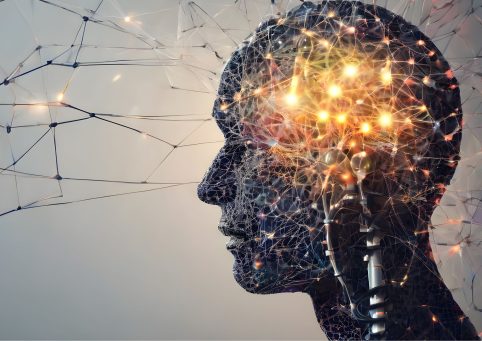
T.E.A. provides and integrates measurement technologies such as:
- EEG systems
- Eye-tracking systems
- Surface EMG sensors
- ECG and physiological sensors
- Motion capture systems
- Wearable biofeedback technologies
These technologies can be used individually or combined within synchronized experimental protocols.
Multimodal Experimental Protocols
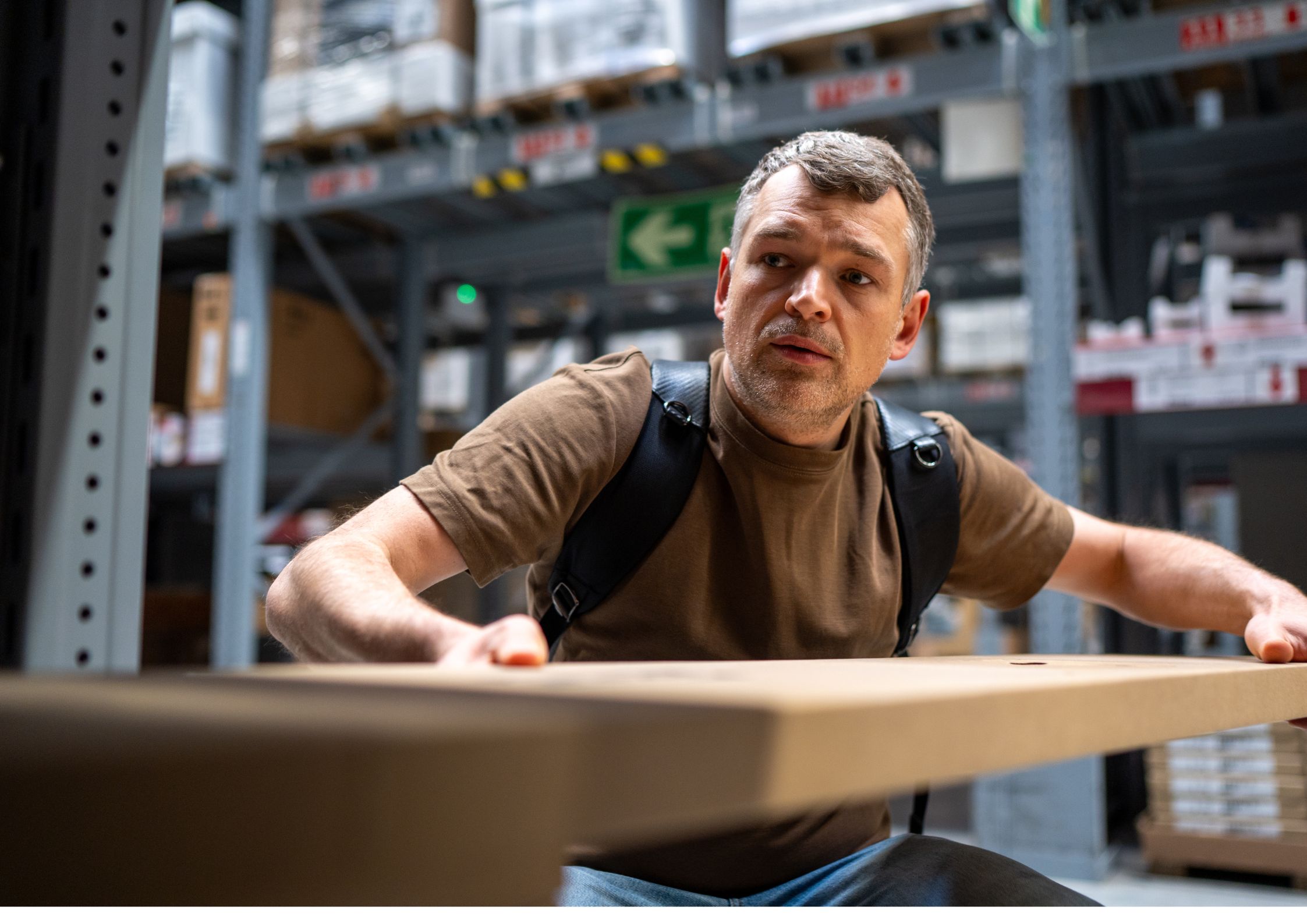
A multimodal approach makes it possible to investigate several dimensions of human behavior simultaneously.
By combining motion capture, EMG, ECG, EEG, and eye-tracking, researchers can study:
- Cognitive workload
- Visual attention and gaze strategies
- Physiological responses
- Motor adaptation
- Human performance
The synchronization of measurement signals provides a contextualized understanding of experimental results.
Scientific Fields of Application
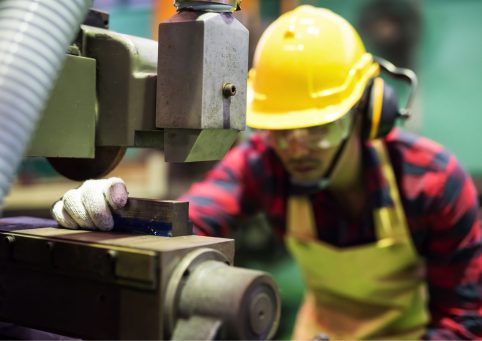
Our solutions can support research in:
Cognitive Neuroscience : Investigating cognitive processes, attention, and mental workload.
Biomechanics : Analyzing human movement, joint kinematics, and muscle activity.
Psychophysiology : Studying the relationship between physiological responses, emotions, and cognitive processes.
Human-Machine Interaction : Investigating how people interact with technologies, interfaces, and equipment.