


Movement & Posture
Measurement of human movement and posture
Analyzing human movement, posture and kinematics makes it possible to better understand the physical constraints operators are exposed to during real work activities. Movement and posture measurement is a key lever for preventing musculoskeletal disorders (MSDs), optimizing workstations and sustainably improving human performance and wellbeing at work.
At T.E.A. Tech Ergo Appliquées, we combine motion sensors, biomechanical analysis and software tools to objectively measure real activity directly in the field.
Why measure movement and posture?
Visual observation alone is not sufficient to precisely characterize postural constraints. Instrumented measurement makes it possible to: :
- identify constrained postures and excessive joint ranges,
- quantify repetition and variability of movements,
- objectively assess risk situations,
- support standardized ergonomic assessments (RULA, REBA, OCRA, etc.).
Measured data supports decision-making and the validation of corrective actions.
What is measured?
Motion Capture
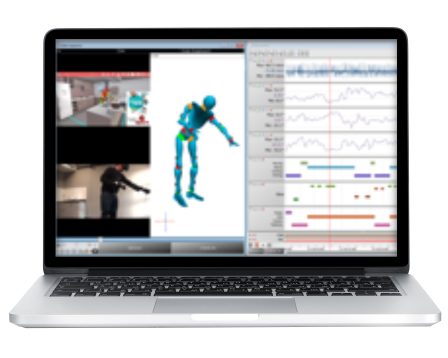
Motion capture records body movements in three dimensions, including trajectories, velocities, accelerations and coordination between body segments.
Postural analysis
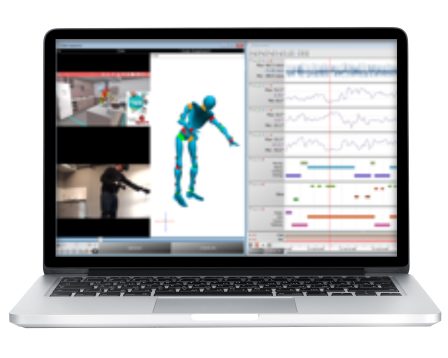
Sensors allow the calculation of joint angles, sustained postures and associated biomechanical constraints during task execution.
Human kinematics
Kinematic analysis focuses on the overall organization of movement: motion sequences, symmetry, compensations and inter-operator variability.
How is it measured?
Hardware
Measurements are performed using wireless inertial sensors from the T-Sens range:
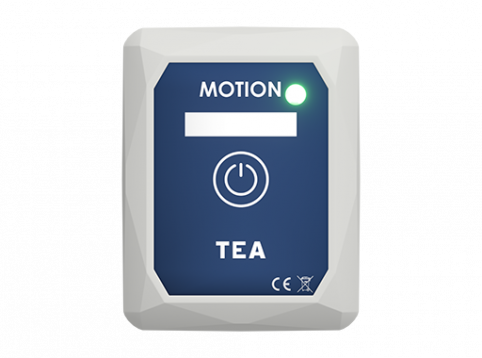
- 7 à 9 Motion sensors for upper body
- 13 or 18 motion sensors for the whole body (without or with feet)
Software
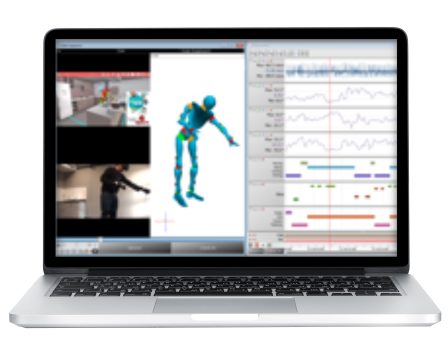
Data is synchronized and analyzed using the CAPTIV platform, enabling:
- multi-sensor and video synchronization,
- automatic calculation of biomechanical indicators,
- export of exploitable results.
Methodology
Measurements can be carried out:
- in real work situations,
- before and after workstation modifications,
- as part of a complete ergonomic assessment.
Applications

Industry and manufacturing
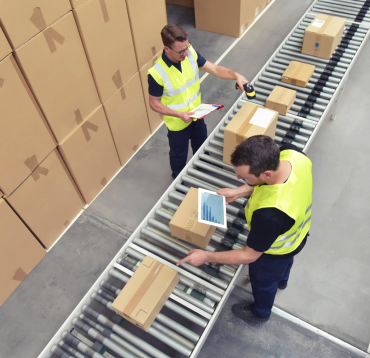
Logistics and manual handling
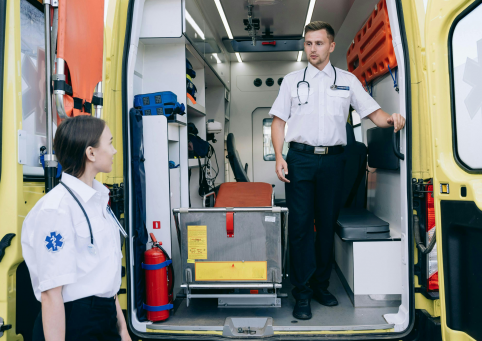
Healthcar and social services

Research and R&D